My Real H Mart(Korean Grocery)Shopping List
Hi, I’m Yuhei. I’m a Japanese food researcher specializing in authentic flavors using ingredients you can find right here in the U.S.
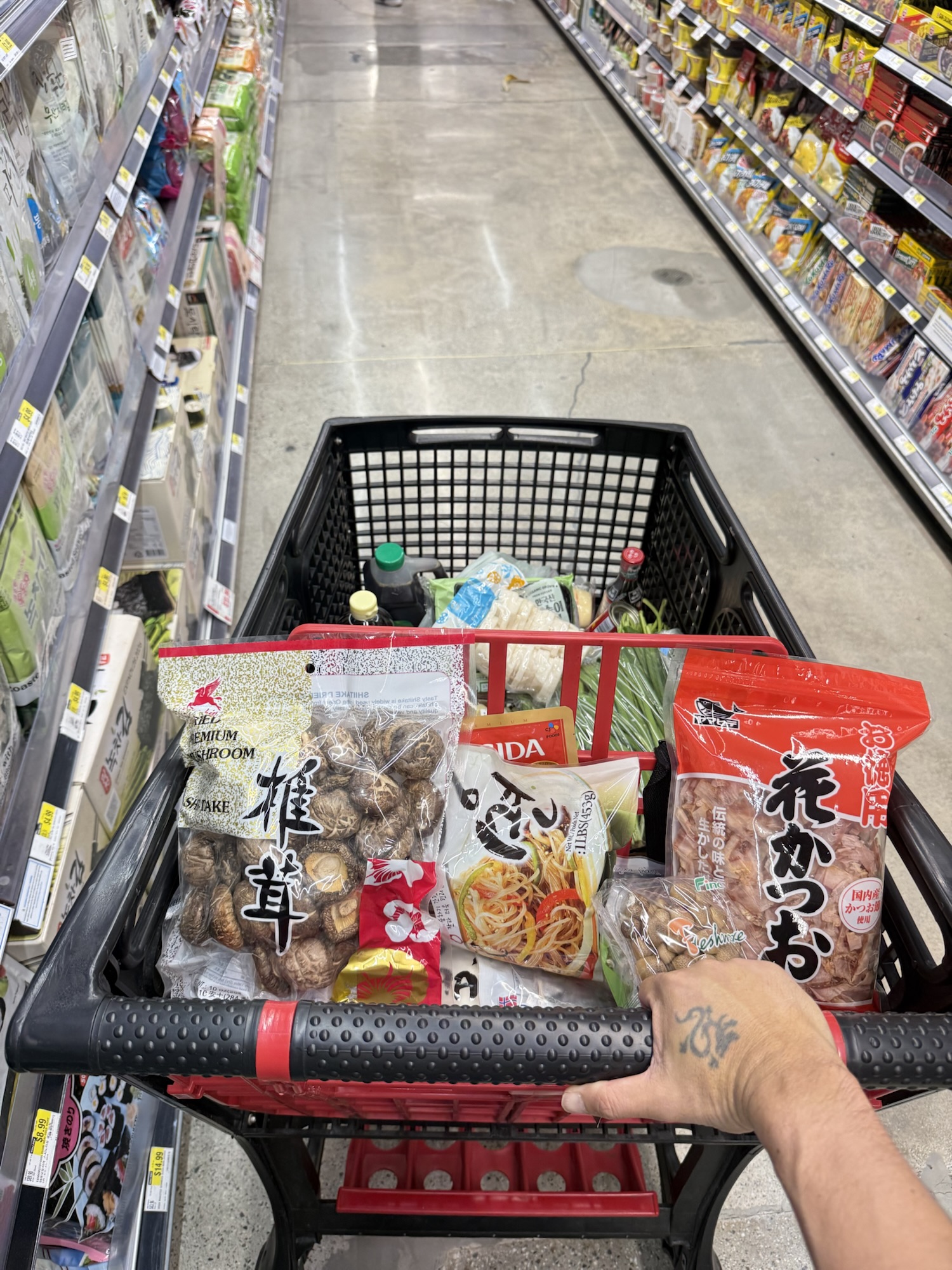
I’ve lived in Los Angeles for 15 years, and since day one, I’ve been obsessed with Korean cuisine. Today, I’m leveraging my 15 years of experience to show you exactly what’s in my cart. I’ll explain what these items are and, more importantly, how you can use them to elevate both your Japanese home cooking and authentic Korean side dishes.
If you have a Korean grocery store nearby, these hand-picked essentials are a must-try. Let’s dive into my real shopping list!
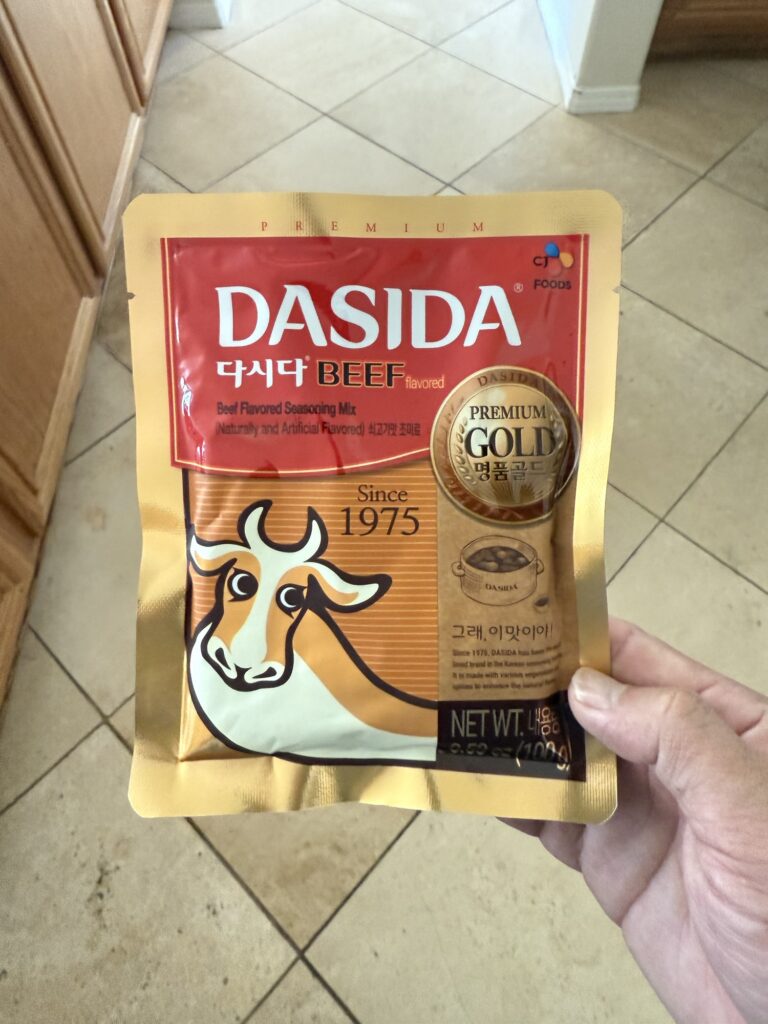
To be honest, the very first item I have to show you is DASIDA. I know, I know—some might worry about MSG. But let me tell you, when I first used this, I was genuinely moved. After 15 years in L.A., I’ve realized that this ‘magic powder’ is the secret shortcut to that deep, soulful flavor we all crave.
It’s a beef-based stock that instantly transforms a simple soup into a restaurant-quality masterpiece. I use it as a secret weapon not just for Korean stews, but even for Japanese comfort food. If you want to elevate your home cooking instantly, this is where you start
Dasida: My Top 3 Uses
• 1. Beef Curry
Add 1 tsp to your roux for an instant “2-day simmered” deep flavor.
• 2. Quick Soups
Dissolve in hot water for that authentic Korean BBQ restaurant taste.
• 3. Umami Fried Rice
Use instead of salt. Every grain gets a punchy, savory beef coating.
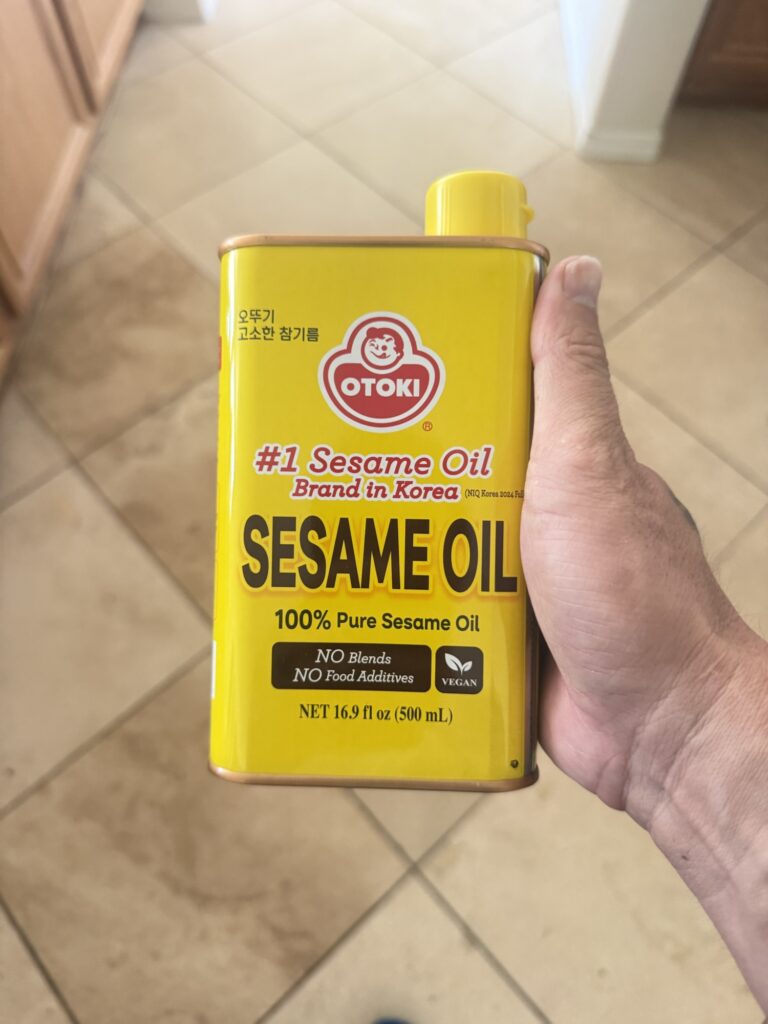
Ottogi Sesame Oil: The Fragrance Bomb
Don’t confuse this with the bland, light-colored sesame oils found in regular U.S. grocery stores. This 100% pure oil is made from deeply roasted seeds, delivering an intense, nutty aroma that ordinary brands can’t match. Just one drop can change the entire atmosphere of your kitchen. After 15 years of culinary research in the U.S., this is the only one I trust to bring that authentic, “restaurant-style” finish to my cooking.
My Top 3 Uses:
• 1. The “Final Touch” (Finishing Oil)
Drizzle it over Ramen, TKG (Egg on Rice), or Miso soup right before eating. The aroma instantly upgrades your dish to professional quality.
• 2. 2-Ingredient Veggie Magic (Namul)
Mix it with just a pinch of salt to make authentic Korean Namul or a savory tofu salad. It’s the easiest way to make local veggies delicious.
• 3. Crispy Gyoza Finisher
Add a small splash to the pan at the very end when frying Gyoza (potstickers). It creates a golden, crispy texture and an irresistible, nutty scent.
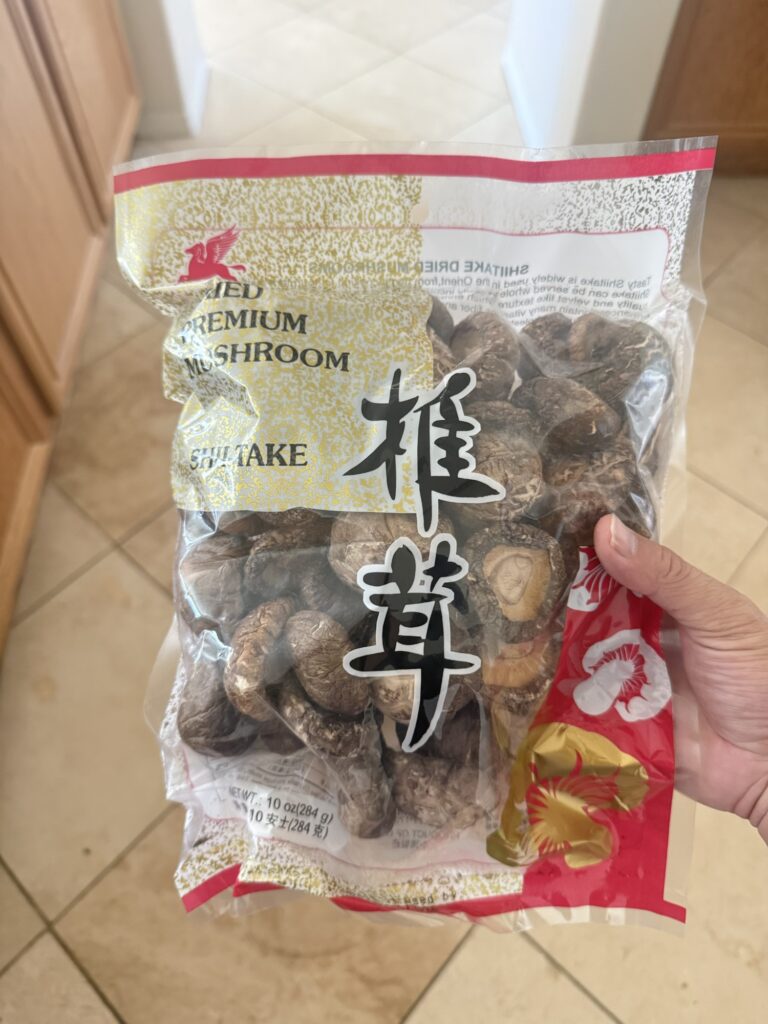
Dried Shiitake Mushrooms: The Secret to Authentic Umami
When you want to bring real depth to your cooking in the U.S., these dried shiitake mushrooms are your best friend. The drying process actually concentrates the flavor and boosts “Guanylic acid”—the source of that rich umami. After 15 years of culinary research here, I always keep a big bag in my pantry. The soaking liquid is literally “liquid gold,” adding a complex, earthy richness that fresh mushrooms can’t match.
My Top 3 Uses:
• 1. Use the Soaking Liquid as a Base
Never throw away the soaking water! Use it as a stock for Udon broth, Miso soup, or stews. It’s an instant flavor enhancer with incredible aroma.
• 2. Umami-Packed Takikomi Gohan (Mixed Rice)
Finely chop the rehydrated mushrooms and cook them with your rice. The natural juices soak into every grain, making the rice so flavorful you won’t even need a main dish.
• 3. Finely Chopped Flavor Booster
Mince the rehydrated mushrooms and mix them into burger patties, pasta sauces, or stir-fries. They act as a powerful natural booster that amplifies the meat’s savory taste.
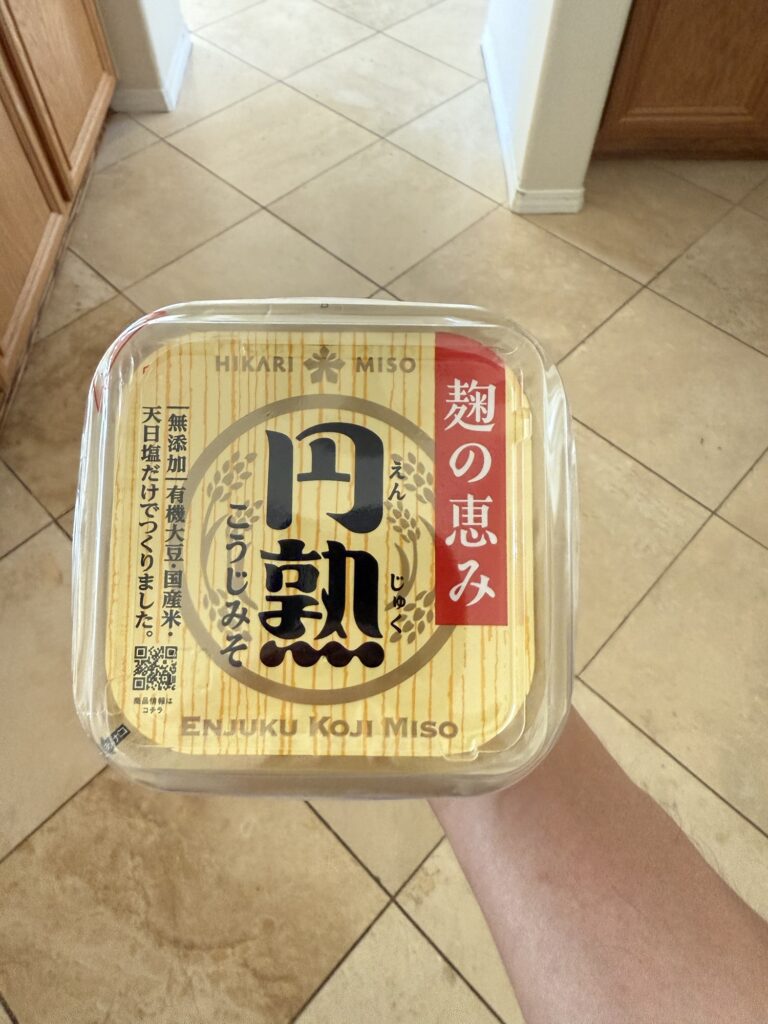
Enjuku Koji Miso: The Gold Standard of Natural Koji Sweetness
Among the countless options in the H Mart miso aisle, “Enjuku” is the one I recommend with absolute confidence. Its standout feature is the additive-free process combined with a high koji content, which provides a rich, natural sweetness. After 15 years of culinary research in the U.S., I’ve found this to be the perfect choice for recreating authentic Japanese flavors using local ingredients.
My Top 3 Uses:
• 1. The Authentic Miso Soup
Try it with a simple soup first. Because the koji itself is so flavorful, you can achieve a deep, professional taste even with minimal dashi.
• 2. Creamy Miso Mayo Dip
Mix this miso 1:1 with mayonnaise. It turns ordinary American raw veggies like celery and carrots into an irresistible, savory treat.
• 3. Savory Miso-Marinated Pork
Marinate pork chops in a mixture of miso, mirin, and sake before pan-frying. The natural enzymes in the koji tenderize the meat, making it incredibly soft and flavorful.
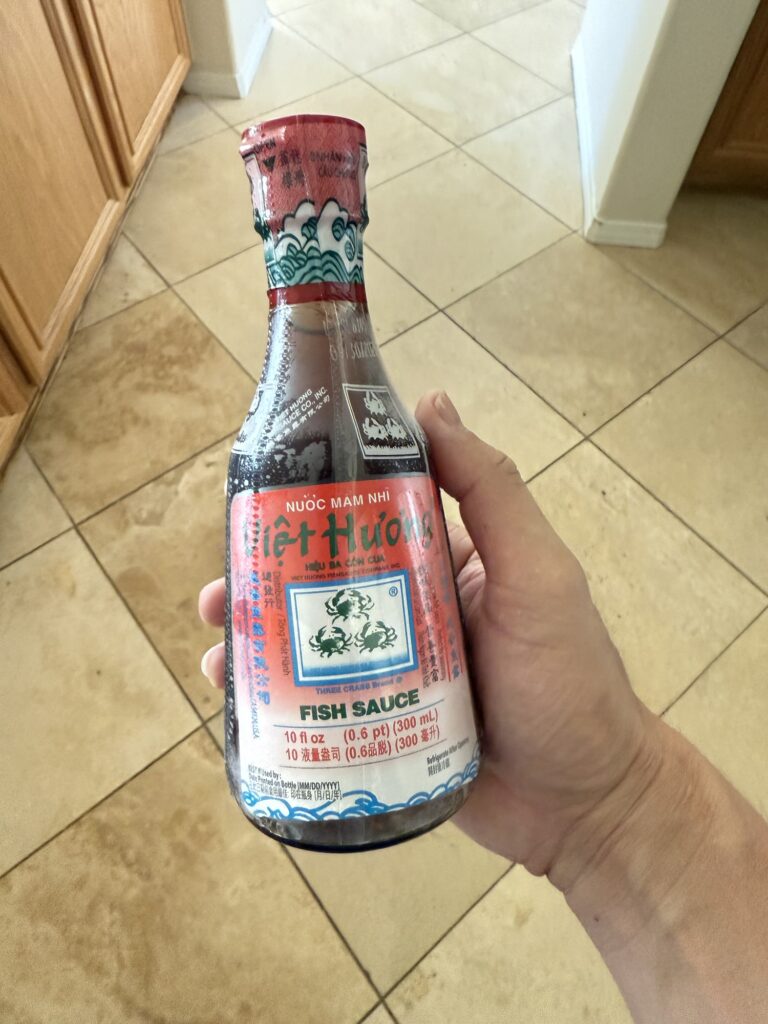
Three Crabs Brand Fish Sauce: The “Umami Gold” Trusted by Chefs
If you’ve been avoiding fish sauce because of the strong smell, you need to try “Three Crabs.” It is incredibly refined, offering a clean yet intense savory punch without the harsh funk of other brands. After 15 years of culinary research in the U.S., I can confidently say this is the “Secret Boss” of seasonings. Just one drop can elevate your dish to a whole new dimension.
My Top 3 Uses:
• 1. The “Secret Boost” for Soups and Curries
Add a few drops to your Miso soup or Curry. The anchovy extract acts as a natural flavor booster, creating a rich complexity that tastes like it’s been simmering for hours.
• 2. Ultimate “Asian-Style” Fried Rice
Use this instead of soy sauce. It pairs perfectly with Dasida, creating that authentic restaurant-quality flavor in your own kitchen.
• 3. Instant “Ethnic Dressing”
Whisk this with lime juice, sugar, and minced chili. It instantly transforms a basic American salad into an exotic, high-end Thai restaurant dish.
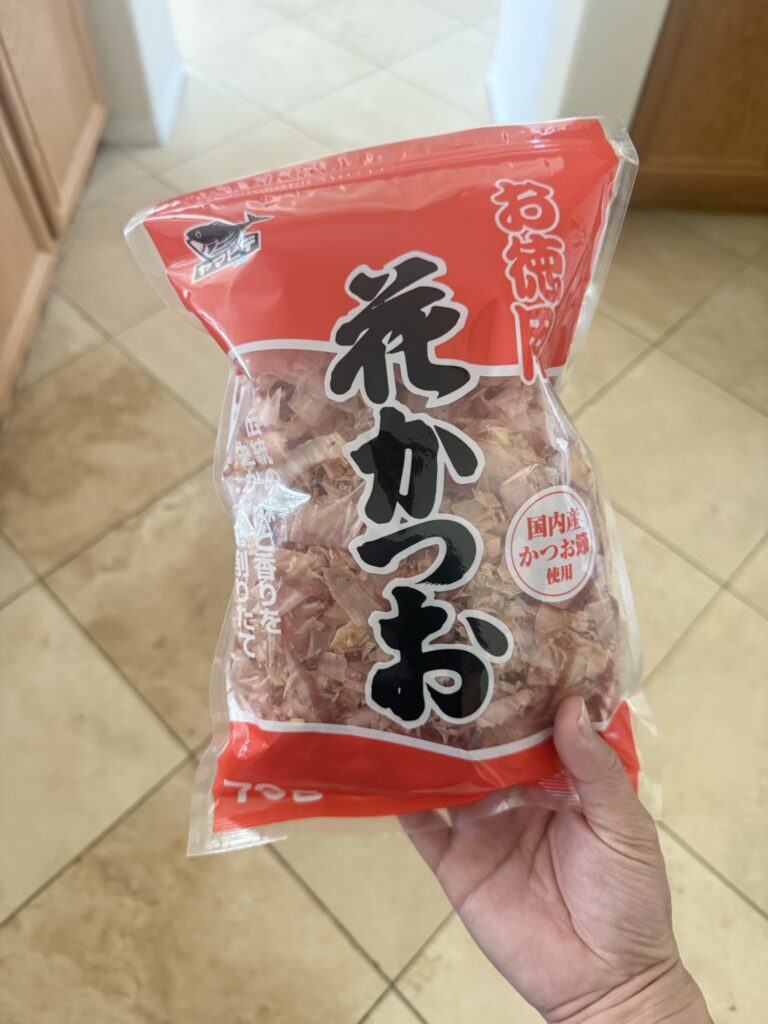
Hanakatsuo: The Magic That Turns Any Kitchen into “Japan”
In my house, a big bag of this is a permanent staple (and yes, my cat loves it too!). The true magic of Hanakatsuo lies in the crystal-clear, golden dashi it produces, and that rich, smoky aroma that fills the air. After 15 years in the U.S., I’ve found that this is the quickest way to bring that “refined Japanese touch” to any home-cooked meal.
My Top 3 Uses:
• 1. The “Umami Boost” for Broths
Add a handful to your store-bought noodle soup or Miso soup. It dramatically enhances the aroma and depth, making it taste like it came straight from a traditional noodle shop.
• 2. The “Dancing” Topping
Pile it high on Okonomiyaki, Tofu, or grilled eggplant. Watching the flakes “dance” in the heat is not only delicious but also a great way to impress your American friends!
• 3. Savory “Okaka” Veggie Mix
Toss boiled spinach or broccoli with soy sauce and plenty of bonito flakes. The flakes soak up the liquid and lock in the umami, making it a perfect, healthy side dish.
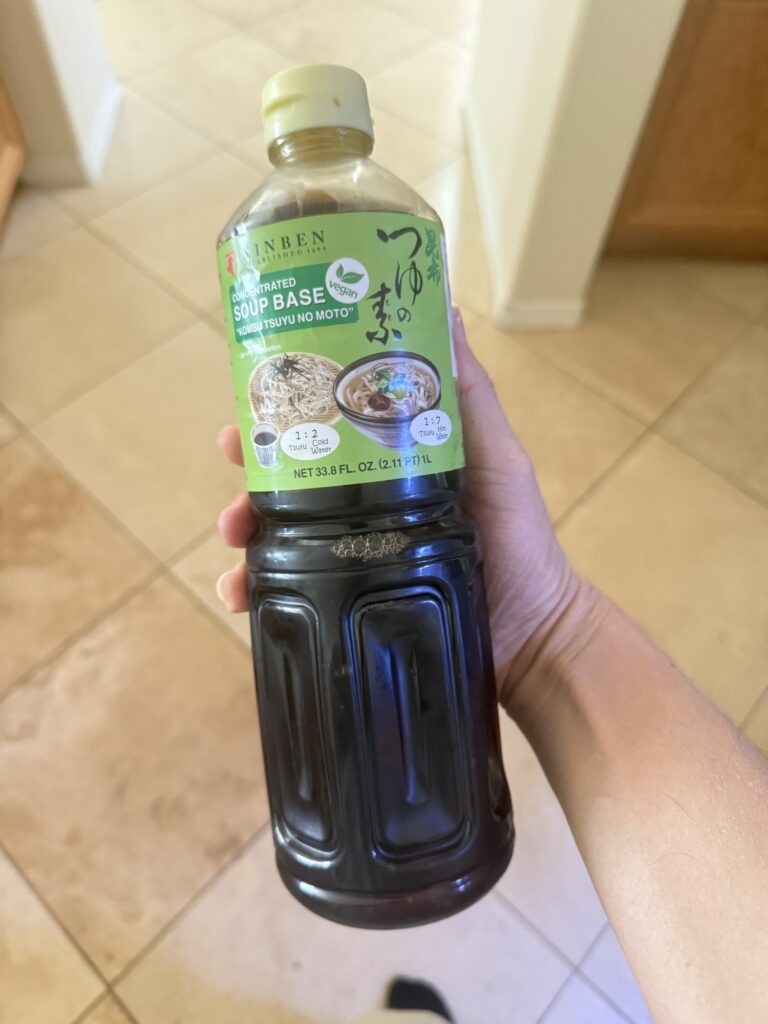
Konbu Tsuyu: The Unbeatable “Dashi Commander” Supporting My U.S. Life
I’ve lived in the U.S. for a long time, but this bottle is always in my kitchen. While there are other options, I always come back to Ninben for its perfect balance of quality and value. Its “Konbu” (kelp) base provides a mellow, smooth umami that is incomparable. With just this one bottle, you can instantly elevate ingredients from a regular U.S. grocery store into authentic Japanese cuisine. After 15 years here, this is the “Guardian God” of home-style cooking that I recommend without hesitation.
My Top 3 Uses:
• 1. The Flawless Noodle Soup Base
Simply dilute with water for the perfect dipping sauce for Soba or broth for Udon. It pairs surprisingly well with local American hard water, bringing out the rich aroma of the kelp.
• 2. The Shortcut for Teriyaki and Stews
Use this as the base for Teriyaki sauce, Nikujaga (potato and meat stew), or simmered fish. Combined with just a splash of mirin and sake, you get that deep, “simmered for hours” flavor in minutes.
• 3. The Secret Upgrade for Pasta and Stir-fries
Use this instead of soy sauce as a finisher for stir-fries or Japanese-style pasta. It adds a sophisticated depth and sweetness that standard soy sauce alone cannot achieve.
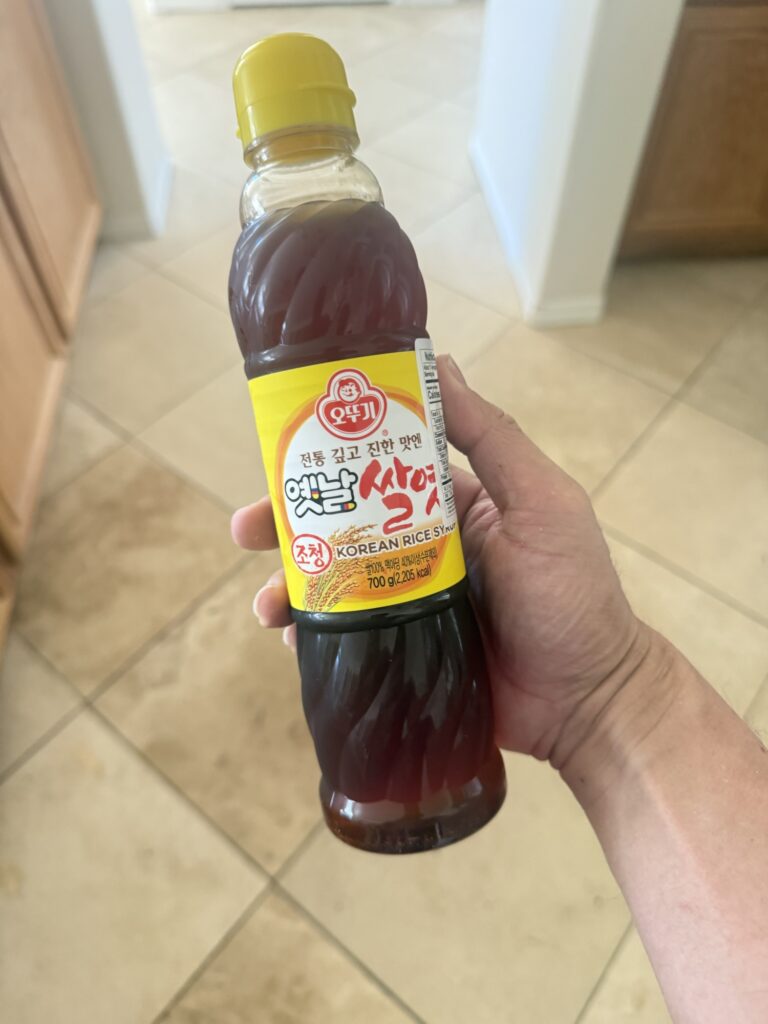
Ottogi Rice Syrup: The Perfect Finisher from the Brand You Trust
Remember the “Fragrance Bomb” (Ottogi Sesame Oil) I introduced earlier? This Rice Syrup (Cho-chung) comes from the same legendary brand, Ottogi. It delivers a gem-like, professional “glaze” and a deep, mellow richness that sugar or mirin alone simply cannot replicate. After 15 years of culinary research in the U.S., this is my go-to secret for that final touch in any simmered dish. Using products from the same trusted brand brings a consistent, restaurant-quality standard to your home kitchen.
My Top 3 Uses:
• 1. The Ultimate Teriyaki Glaze
Mix this with soy sauce, sake, and mirin. It creates a stunning, glossy coat on meat or fish that looks and tastes professional, even after it cools down.
• 2. Deep Flavor for Simmered Dishes
Add a swirl to the end of your Nikujaga (stew) or Chikuzenni. The rice-derived gentle sweetness adds a sophisticated depth that ordinary sugar can’t match.
• 3. The “Ottogi Combo” Dressing
Whisk this syrup with soy sauce and Ottogi Sesame Oil. Since they’re from the same brand, the flavor synergy is flawless. It creates a rich, aromatic dressing that makes any American salad irresistible.
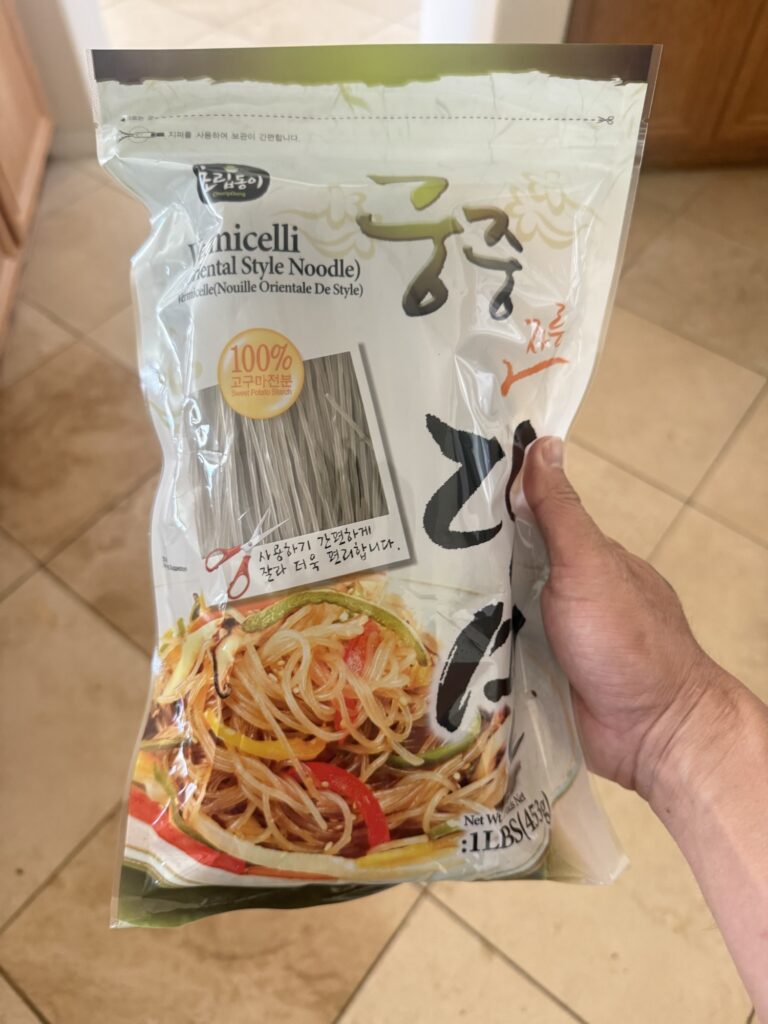
Korean Sweet Potato Vermicelli: The Ultimate Chewy Texture
When shopping at H Mart, make sure to grab this 100% sweet potato starch noodle. Unlike thin mung bean vermicelli, these offer a uniquely springy and chewy texture that is absolutely addictive. After 15 years of culinary research in the U.S., I’ve found that these noodles don’t get mushy and are incredible at absorbing flavors. They are gluten-free and filling—a “magic noodle” perfect for a healthy American lifestyle.
My Top 3 Uses:
• 1. Authentic Japchae (Stir-fried Noodles)
Stir-fry with plenty of veggies, meat, and a generous splash of Ottogi Sesame Oil. These noodles soak up every bit of savory goodness, making a dish that tastes great even when cold.
• 2. The Ultimate Hot Pot Finisher
Add them to Sukiyaki or any hot pot. The noodles act like an umami sponge, absorbing all the rich broth from the meat and vegetables so you can enjoy every last drop.
• 3. Gluten-Free Japanese-Style Pasta
Use these instead of pasta noodles and season with Ninben Konbu Tsuyu and butter. It’s a satisfying, gluten-free alternative that delivers a sophisticated Japanese flavor.
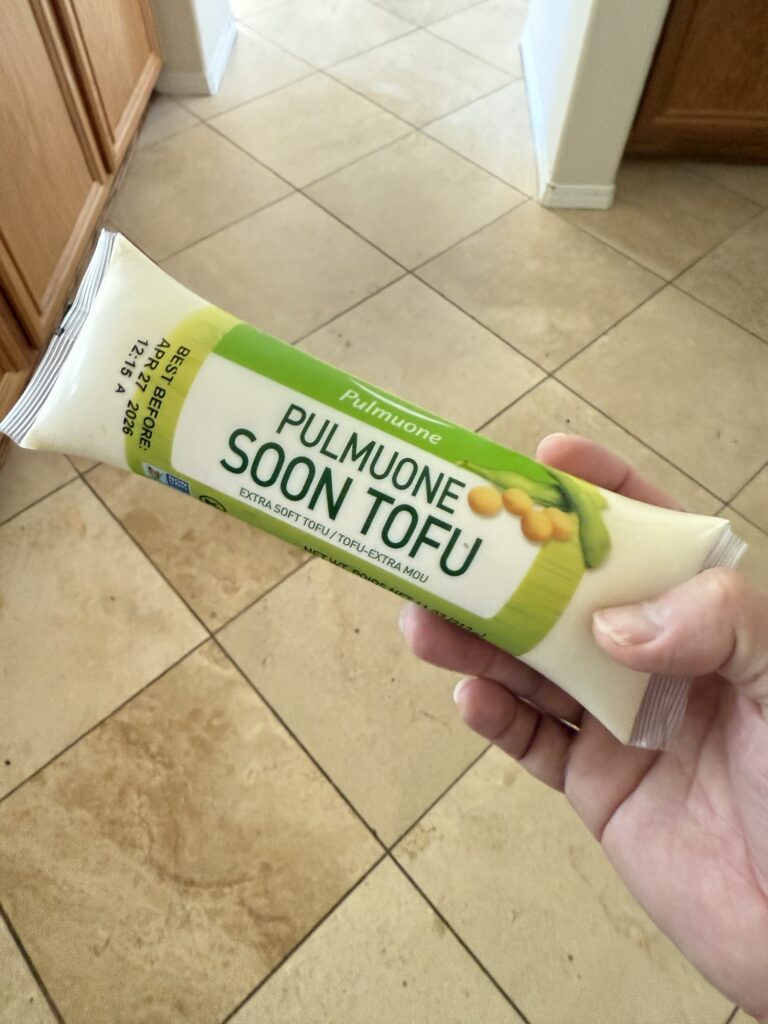
Soon Tofu: The Melting Texture You’ve Been Missing in America
Have you ever been disappointed by the incredibly firm tofu found in regular U.S. grocery stores? If so, you need to try this tube of Soon Tofu (Silken/Soft Tofu) from H Mart. Its smooth, creamy texture actually surpasses even high-end silken tofu found in Japan. After 15 years of culinary research in the U.S., I’ve found that nothing can replicate the way this tofu melts in your mouth when added to a hot soup.
My Top 3 Uses:
• 1. Authentic Spicy Sundubu Jjigae (Tofu Stew)
Simmer clams, pork, and veggies in a Dasida-based broth, then scoop this tofu into the pot at the very end. The tofu absorbs all the spicy flavor while remaining unbelievably soft.
• 2. The Ultimate Smooth Miso Soup
Replace your regular Miso soup tofu with this version. The trick is to add it at the very end without boiling. It creates a comforting soup where the tofu’s sweetness and the miso’s aroma melt together.
• 3. Comforting Ankake Tofu (Tofu with Savory Sauce)
Warm the tofu in the microwave and pour a hot, thick sauce made with Ninben Konbu Tsuyu and cornstarch over it. It’s a gentle, stomach-friendly meal that is perfect for those days when your back is hurting.
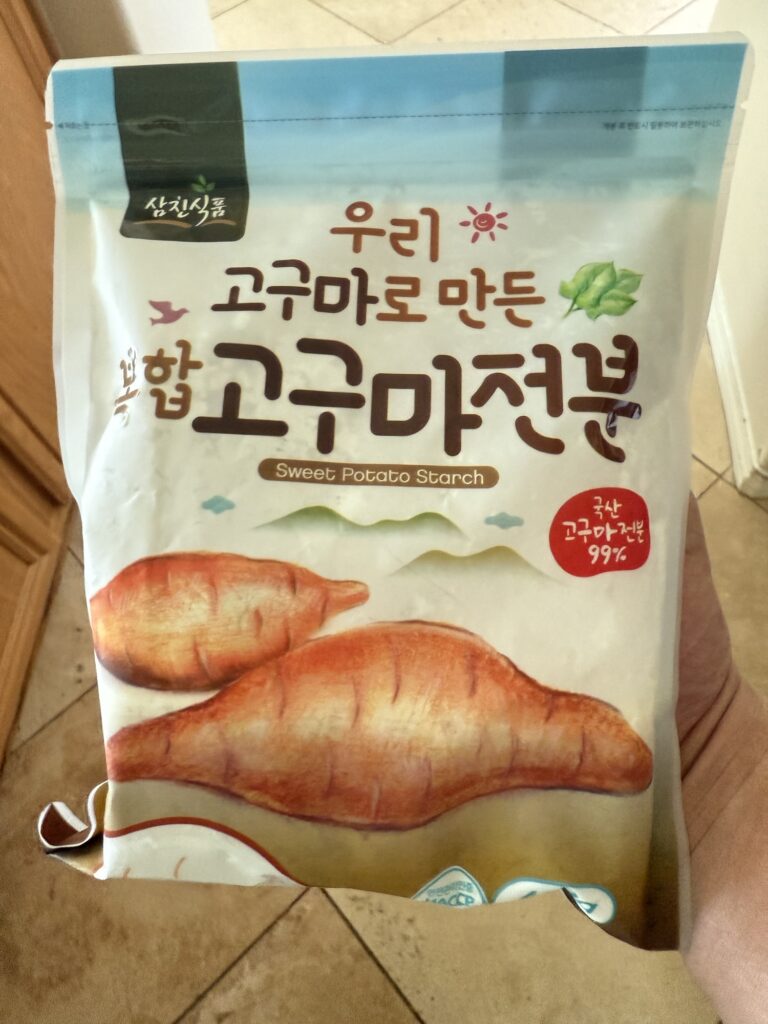
Sweet Potato Starch: The “Secret Weapon” for the Perfect Crunch
I just picked this up for the first time at H Mart, and I’m genuinely excited. In the culinary world, sweet potato starch is known for creating the crispest fried coatings—even better than cornstarch. Because the particles are slightly coarser, it repels oil better, resulting in an incredibly airy, light crunch. After 15 years of research in the U.S., trying new ingredients like this is what keeps cooking exciting. I can’t wait to see the magic this starch brings to my kitchen.
My Anticipated Top 3 Uses:
• 1. Extra Crispy Fried Chicken & Tempura
Using this for your coating ensures an “out of this world” crunch that stays crispy long after cooking.
• 2. Elegant Thickening for Soups & Stews
Use it instead of potato starch or cornstarch. It provides high clarity and a smooth texture, making your sauces look glossy and professional.
• 3. Chewy “Mochi-style” Desserts
By heating it with water and sugar, you can create a surprisingly elastic, chewy dessert similar to Japanese Warabi Mochi. Top it with kinako (roasted soy flour) for a quick treat.
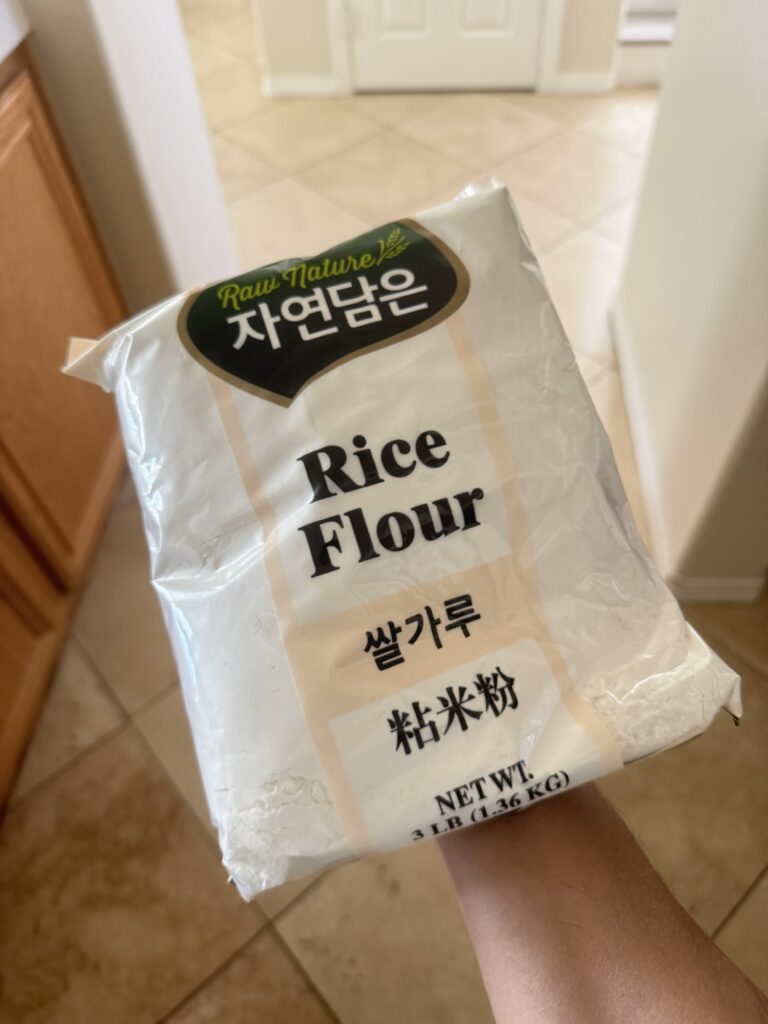
Rice Flour: The Essential Ingredient for Authentic Japanese Textures
Whether it’s Dorayaki, Dango, or Daifuku, that unique “chewy and moist” texture that you can’t find in Western sweets comes from this Rice Flour. After 15 years of culinary research in the U.S., I’ve found that local wheat flour alone cannot replicate the delicate touch of Japanese confectionery. Making your own “Wagashi” (Japanese sweets) is the ultimate luxury—a way to find balance and treat yourself in a busy world.
My Top 3 Uses:
• 1. Handmade Dorayaki Crust
Mix a little of this rice flour into your batter. It creates an incredibly moist and professional texture, just like the ones from a traditional Japanese bakery.
• 2. Chewy “Mitarashi Dango” (Rice Dumplings)
Just mix with hot water, roll, and boil. Glaze them with a sauce made from Ninben Konbu Tsuyu for an authentic Kyoto-style treat right in your own kitchen.
• 3. A Secret for Extra Crispy Coatings
Mix it with Sweet Potato Starch for your Tempura or fried chicken coating. It ensures a long-lasting crunch and adds a pleasant, toasted rice aroma.
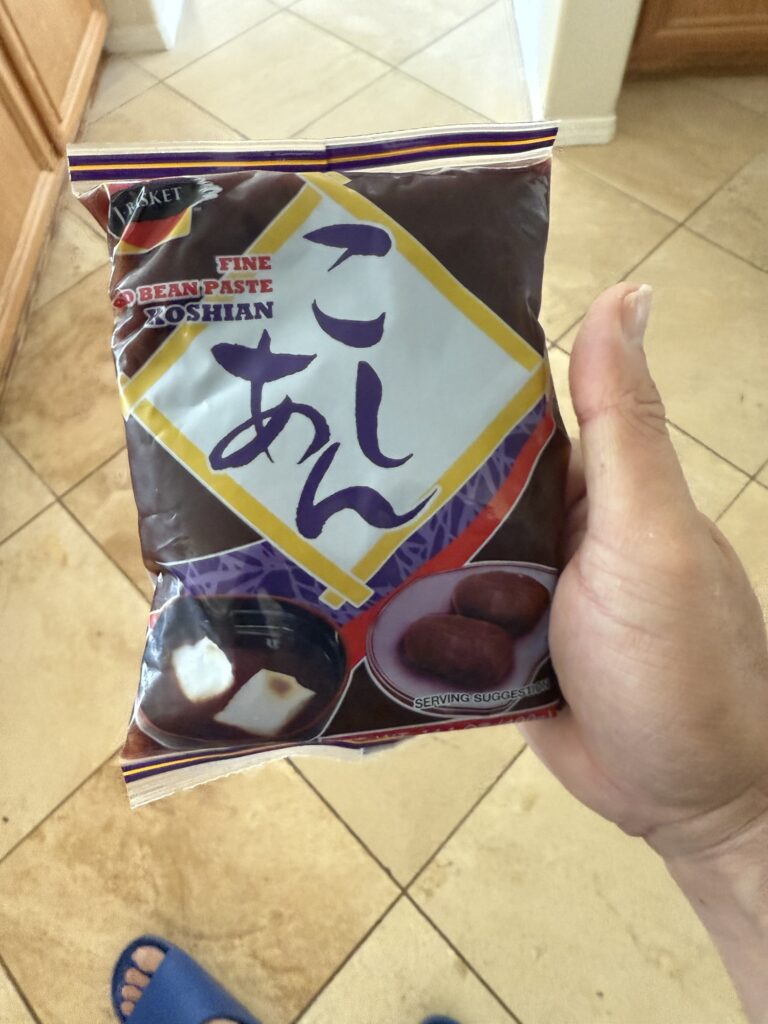
Koshian: The Star of My Dessert Week. Bringing Zen to My U.S. Kitchen
This week, I’m planning to make a few Japanese sweets using this “Koshian.” After 15 years of culinary research in the U.S., I’ve found that the time spent crafting my own wagashi is a ritual that resets both mind and body. One bite, and the dry air of Palmdale fades away, replaced by the peaceful scenery of Japan. While it’s amazing just spread on a toasted bagel, I’m going to put in a little extra effort this week to truly showcase the elegance of this smooth bean paste.
My “Dessert Week” Top 3 Uses:
• 1. Homemade “An-Dango”
Topping fresh dumplings made from Joshinko (Rice Flour) with a generous amount of this paste. This is the main event for my tea time this week.
• 2. The Ultimate “An-Butter” Bagel
For a busy morning, spread Koshian and salted butter on a toasted bagel. The bold texture of American bread meets the delicate sweetness of Japan—an addictive combo.
• 3. Creamy “Anko” Party Dip
Mix Koshian with cream cheese and serve with crackers. It’s a sophisticated, Japanese-inspired party snack that will surprise and delight your American guests.
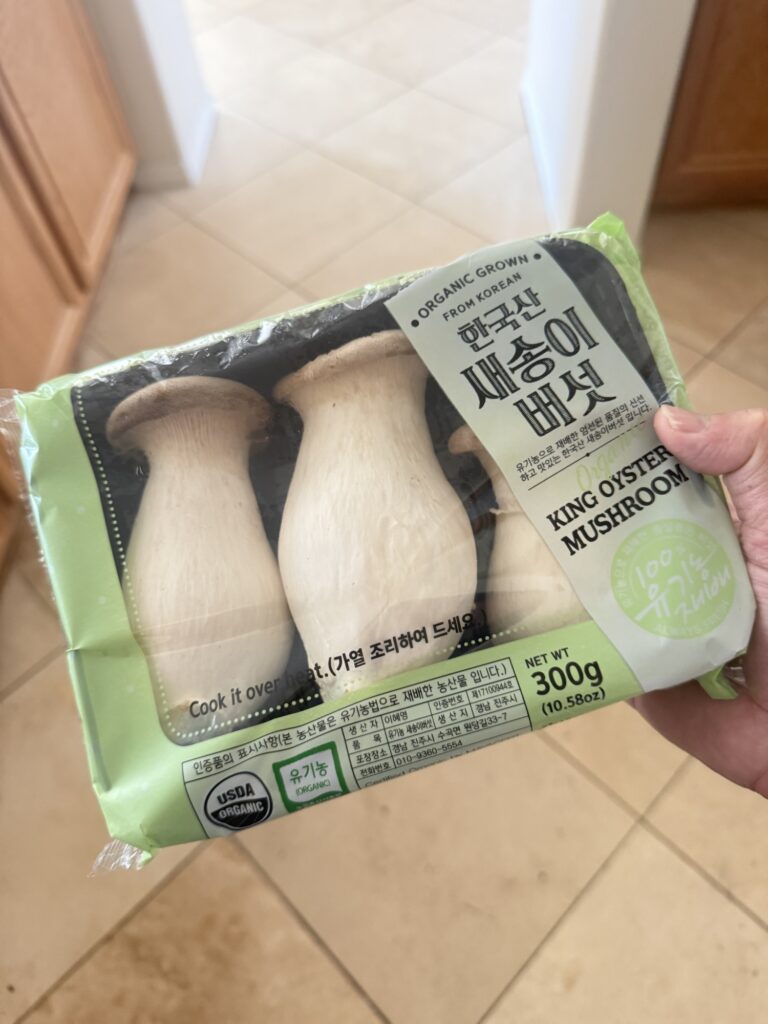
King Oyster Mushroom: The “Abalone of the Forest” Bringing a Texture Revolution
If you’re tired of the bland mushrooms in regular U.S. grocery stores, you need to grab these impressive King Oyster Mushrooms from H Mart. Their standout feature is the firm, meaty, and “crunchy” texture that stays intact even after cooking. After 15 years of culinary research in the U.S., I’ve found no other mushroom that can substitute for meat or seafood quite like this. It’s a healthy luxury—truly the “Abalone of the Forest” that deserves a spot in your kitchen.
My Top 3 Uses:
• 1. Thick-Cut “Mushroom Steak”
Slice them thick and sear them in Ottogi Sesame Oil until golden. Finish with a splash of Ninben Konbu Tsuyu. The texture and flavor are so rich, it feels like eating a high-end abalone steak.
• 2. The Ultimate Umami Side Dish
Sauté them with a sprinkle of Dasida. The mushrooms act like a sponge, soaking up the meaty umami for a dish that is incredibly satisfying and delicious even when cold.
• 3. Hand-Shredded for Soups and Pasta
Tear them vertically by hand rather than using a knife. This creates more surface area for sauces and broths to cling to. Adding them to a Miso soup with Soon Tofu creates a wonderful contrast in textures.
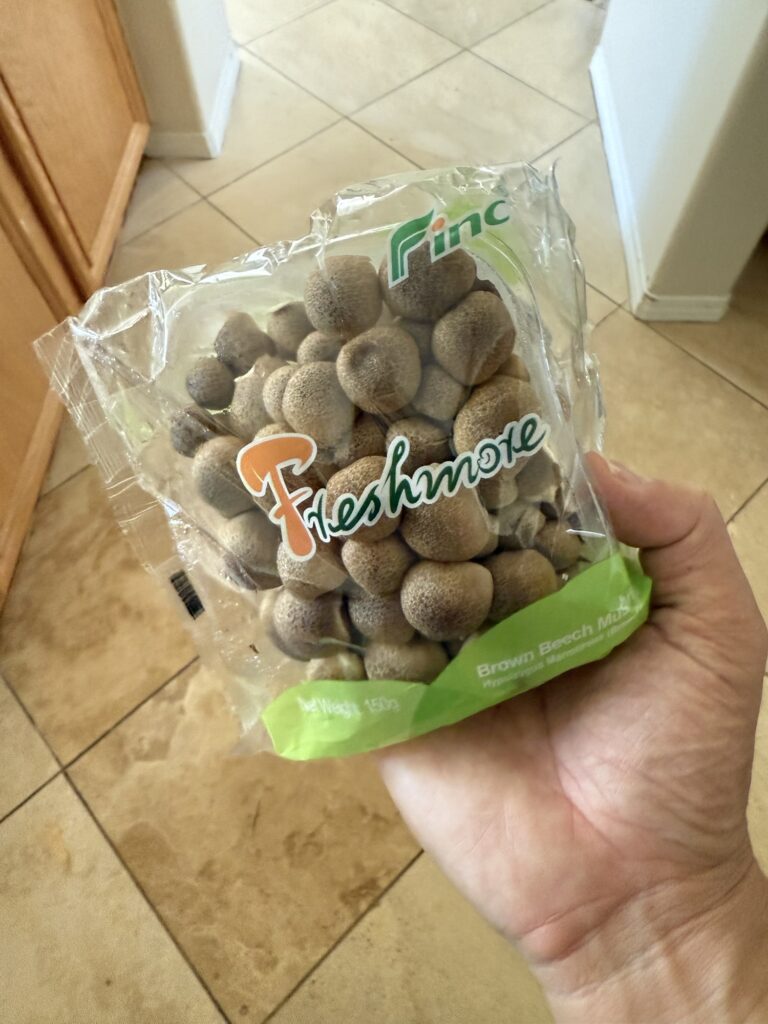
Brown Beech Mushroom (Shimeji): The Versatile Flavor Enhancer
Following the King Oyster, the Shimeji mushroom is another essential from the H Mart mushroom aisle. Each delicate strand is packed with subtle umami and a pleasant, slightly nutty flavor that becomes tender and “poppy” when cooked. After 15 years of culinary research in the U.S., I’ve found that Shimeji is the ultimate team player—whether in soups, rice dishes, or stir-fries, it seamlessly elevates the entire dish.
My Top 3 Uses:
• 1. Umami-Rich Mushroom Mixed Rice
Cook your rice with plenty of Shimeji and a base of Ninben Konbu Tsuyu. The mushrooms release their natural juices into every grain, creating a fragrant, authentic Japanese rice dish.
• 2. Comforting Soup with Soon Tofu
Add Shimeji to your Miso soup along with Soon Tofu. The contrast between the silky tofu and the springy mushrooms creates a sophisticated, restaurant-quality bowl of comfort.
• 3. 1-Minute “Infinite Shimeji” Stir-fry
Sauté Shimeji in Ottogi Sesame Oil with a pinch of Dasida. This simple combination brings out a deep, meaty savoriness that makes it an addictive side dish in no time.
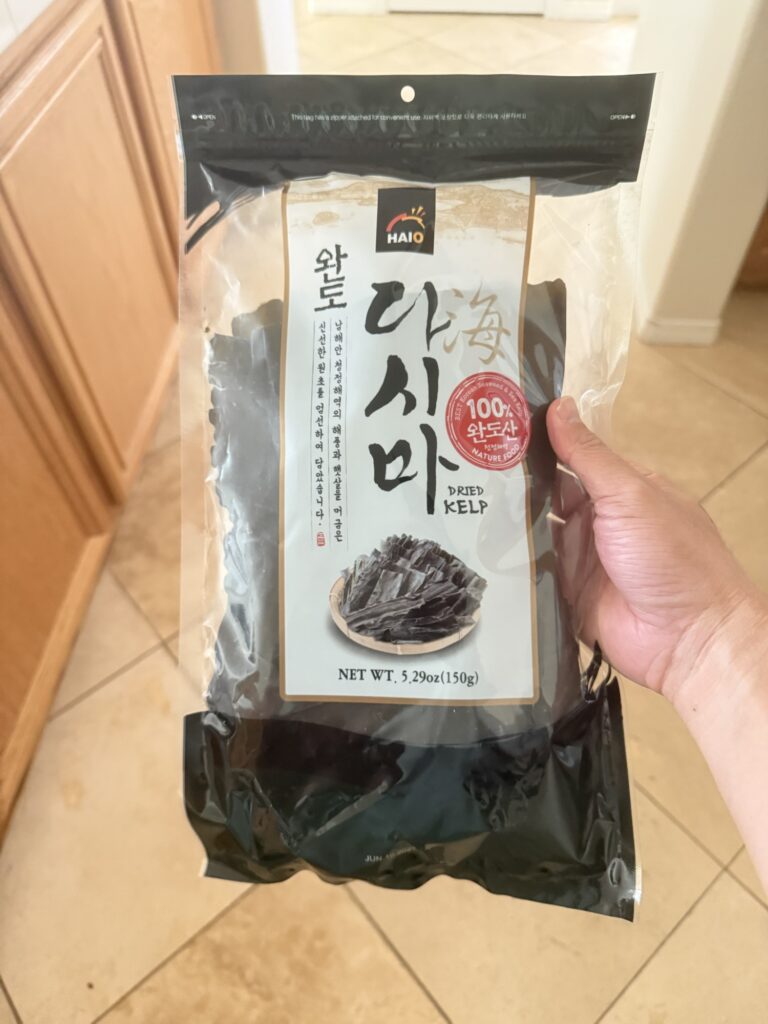
Dried Kelp (Dashima): The Strategic Foundation of Umami
In my 15 years of culinary research in the U.S., I’ve realized that “salty” isn’t the same as “deep.” This Wando-sourced Dried Kelp (Dashima) is the ultimate game-changer that provides a profound, bottomless depth to any dish. By utilizing the natural glutamic acid found in this kelp, you create a powerful “Umami Synergy” with other ingredients like Ninben Konbu Tsuyu or Dasida, allowing you to reduce sodium intake while maximizing flavor satisfaction. It is a strategic choice for both your health and your palate.
My Top 3 Strategic Recipes:
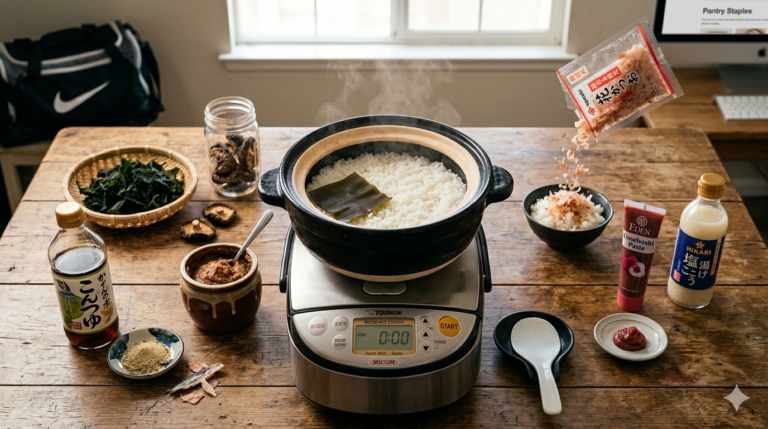
• 1. Premium Umami Rice (Donabe Style)
Place a 5cm square of Dashima in your clay pot with rice and a touch of Ninben Konbu Tsuyu. The kelp releases a silky glaze that coats every grain, turning a simple bowl into a gourmet base for your “Pappa-Bento.”
• 2. Soy-Marinated Eggs with “Deep Base” Sauce
Simmer a strip of Dashima with soy sauce and Ottogi Rice Syrup. The natural alginic acid from the kelp creates a viscous, mirror-like glaze that clings perfectly to your 7-minute soft-boiled eggs, elevating the richness to another level.
• 3. Zero-Waste “Infinite” Dashima Tsukudani
Never throw away your used kelp! Slice the softened Dashima into thin strips and sauté them with Dasida and sesame oil. This nutrient-dense side dish adds a perfect chewy texture to your lunch box and ensures no ocean treasure goes to waste.
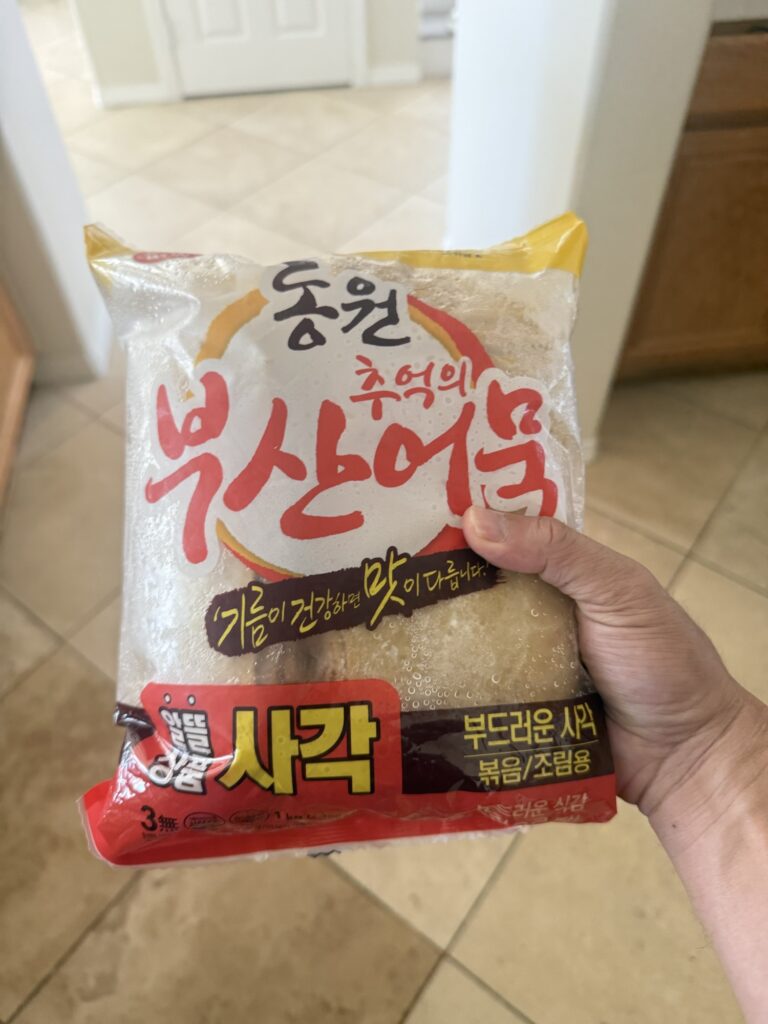
Busan Fish Cake (Eomuk): The Essential Savory Sidekick
This Dongwon Busan Eomuk (Square Style) is a staple of Korean home cooking, originally inspired by Japanese “Oden.” In Korea, it evolved into an indispensable side dish (Banchan) found in every local restaurant. After 15 years in the U.S., I’ve found that being able to cook this “all-you-can-eat” favorite at home is a true luxury. Its chewy texture and deep savory flavor make it the perfect addition to any lunch box, as it stays delicious even when cold.
Strategic Uses for Your Lunch Box:
• 1. “All-You-Can-Eat” 1-Minute Sweet & Savory Stir-fry
Slice the Eomuk into thin strips and sauté with soy sauce and Ottogi Rice Syrup (kept at room temperature!). The heat creates a glossy glaze with a hint of smoky flavor—recreating that addictive restaurant taste in unlimited quantities.
• 2. The “Donabe” Umami Infusion
Finely slice one sheet of Eomuk and add it to your clay pot with Wando Dashima and Ninben Konbu Tsuyu. The savory oils from the fish cake seep into the rice, transforming a simple bowl into a rich, meaty masterpiece.
• 3. Zero-Waste “Ajitama” Sauce Marination
Don’t discard your leftover soft-boiled egg marinade! Toss cubed Eomuk into the remaining sauce enriched with Dasida and Dashima. In just 30 minutes, you have a flavor-soaked side dish with zero effort and zero waste.
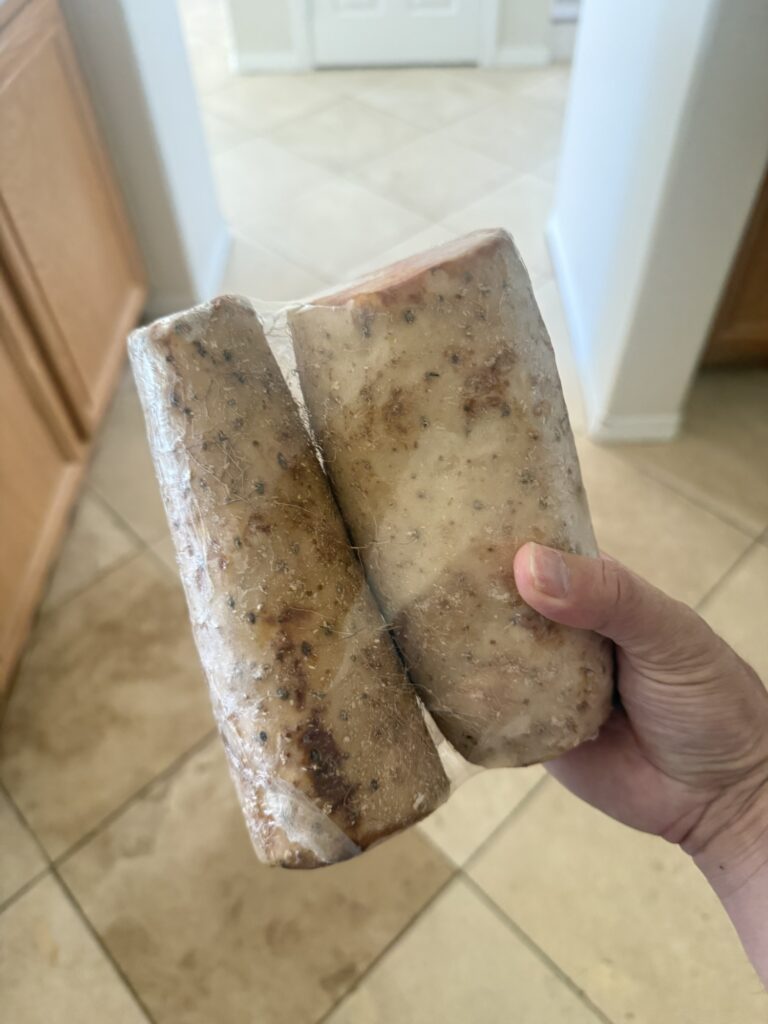
Japanese Nagaimo: The Velvety Virtuoso of Texture
This Japanese Nagaimo from H Mart’s produce section is the true master of silky transformation. Following the rich, earthy flavors of shimeji and dashima, this pristine Nagaimo is a game-changing staple for authentic, time-saving meals in the U.S. While finding fresh Japanese nagaimo in America is often a luxury, this pre-packaged specimen eliminates the struggle, allowing you to instantly inject its unique, velvety texture and sweet, starchy goodness into your daily meals. It’s an indispensable “must-have” for elevating the nutritional profile and textural variety of your dishes.
My Top 3 Strategic Uses:
• 1. Velvety, No-Cook “Gooey” Rice Topping (Tororo)
Grate the raw Nagaimo and mix it with a touch of Ninben Konbu Tsuyu and a small splash of Ottogi Rice Syrup (kept at room temperature!). This takes less than 30 seconds and creates a luxurious, nutrient-dense “Tororo” to pour over your clay pot rice. The outcome will amaze you—restaurant-quality with almost zero effort.
• 2. Crunchy “Team Player” in Stews and Curry
Don’t just serve it raw! Sliced into rounds, Nagaimo is an amazing “team player” in slow-cooked dishes like curry or Dasida-based stews. Unlike potatoes, it won’t dissolve into mush. Instead, it absorbs the profound flavors of the base while maintaining its unique, starchy sophistication and satisfying snap.
• 3. 1-Minute “Strategic Savory” Side Dish (Nagaimo Salad)
For that final gap in your lunch box, nothing beats a quick Nagaimo salad. Simply thinly slice the raw Nagaimo and mix with a touch of mayonnaise and a dash of Ninben Konbu Tsuyu. Its unique, sticky properties catch and hold the dressing, ensuring a flavorful, satisfying bite with zero waste and zero effort.