How to Make Japanese Three-Color Bento (Chicken Soboro Bento) at Home
If you’re looking for a simple, balanced, and beautiful Japanese meal, this Three-Color Bento (Sanshoku Bento) is a perfect choice.
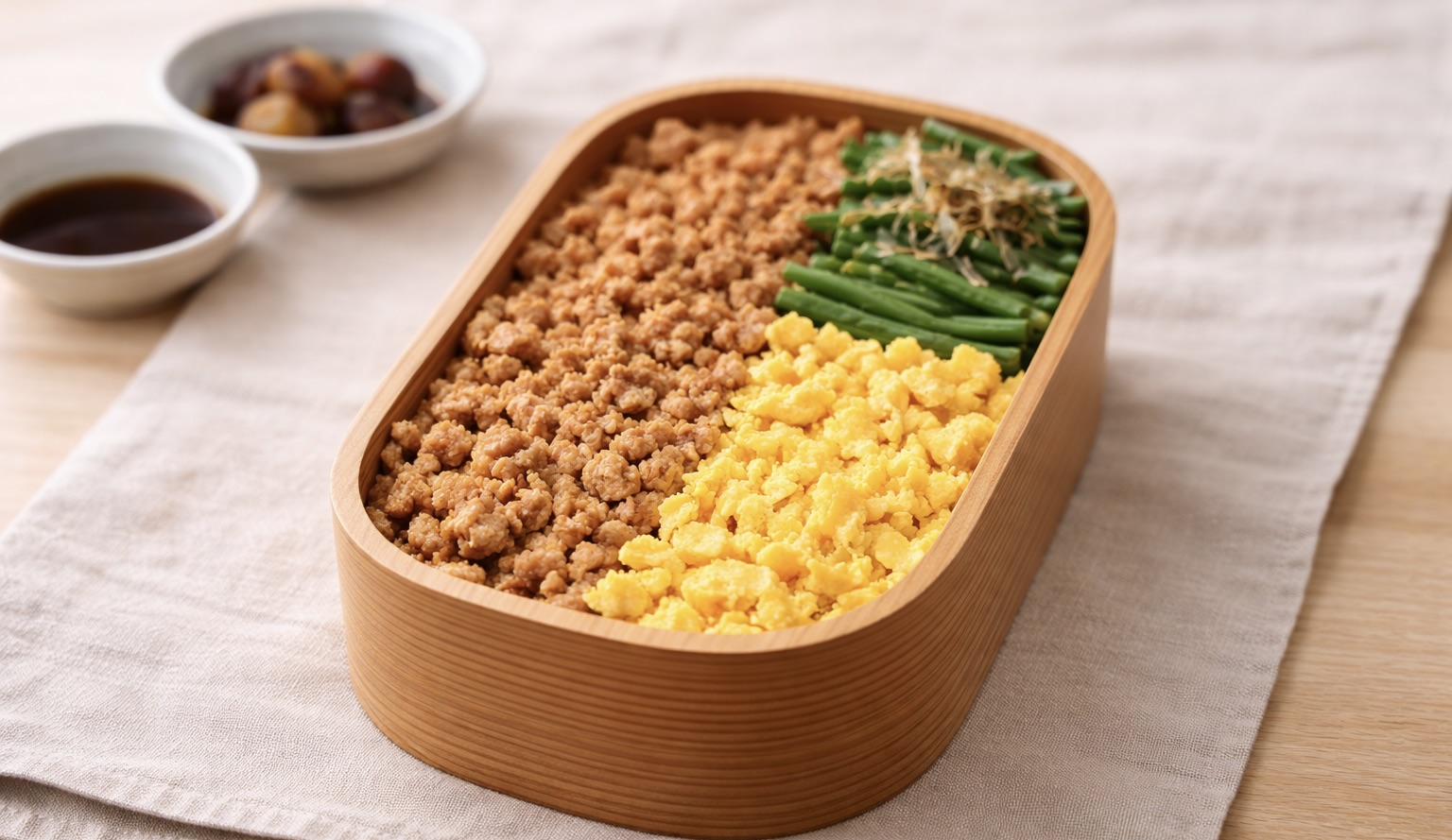
This classic Japanese lunch features fluffy rice topped with three colorful ingredients: savory chicken soboro, soft scrambled eggs, and fresh green vegetables. It’s quick to prepare, visually appealing, and packed with flavor.
What Is Three-Color Bento (Sanshoku Bento)?
Sanshoku Bento literally means “three-color lunchbox.” It’s a traditional Japanese meal made by arranging three toppings over rice:
- Chicken soboro (sweet-savory ground chicken)
- Scrambled eggs (slightly sweet and fluffy)
- Green vegetables (usually beans or spinach)
The combination creates a balanced meal that’s both nutritious and satisfying.
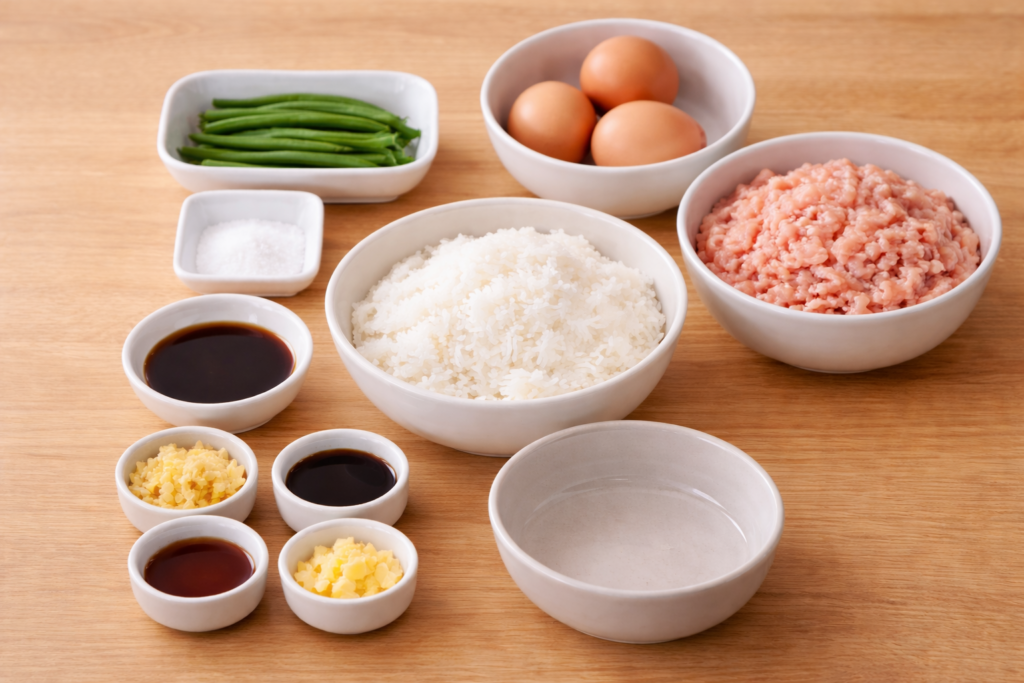
Ingredients
For the Rice
- 2 cups cooked Japanese rice
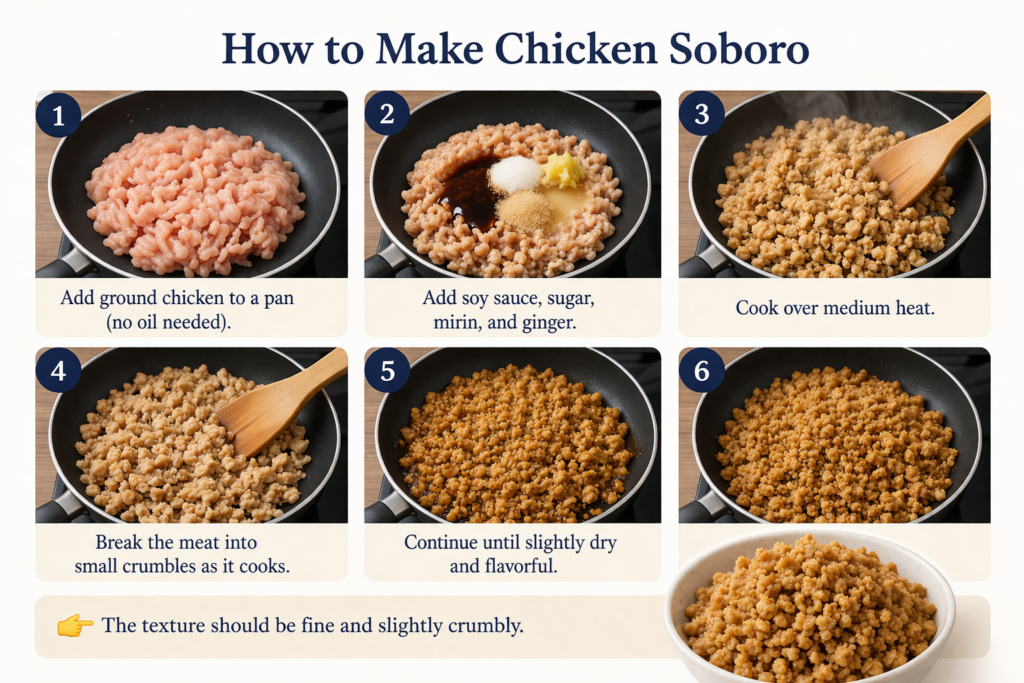
Chicken Soboro
- 200–250g ground chicken
- 2 tablespoons soy sauce
- 2 tablespoons sugar
- 1 tablespoon mirin
- 1 teaspoon grated ginger
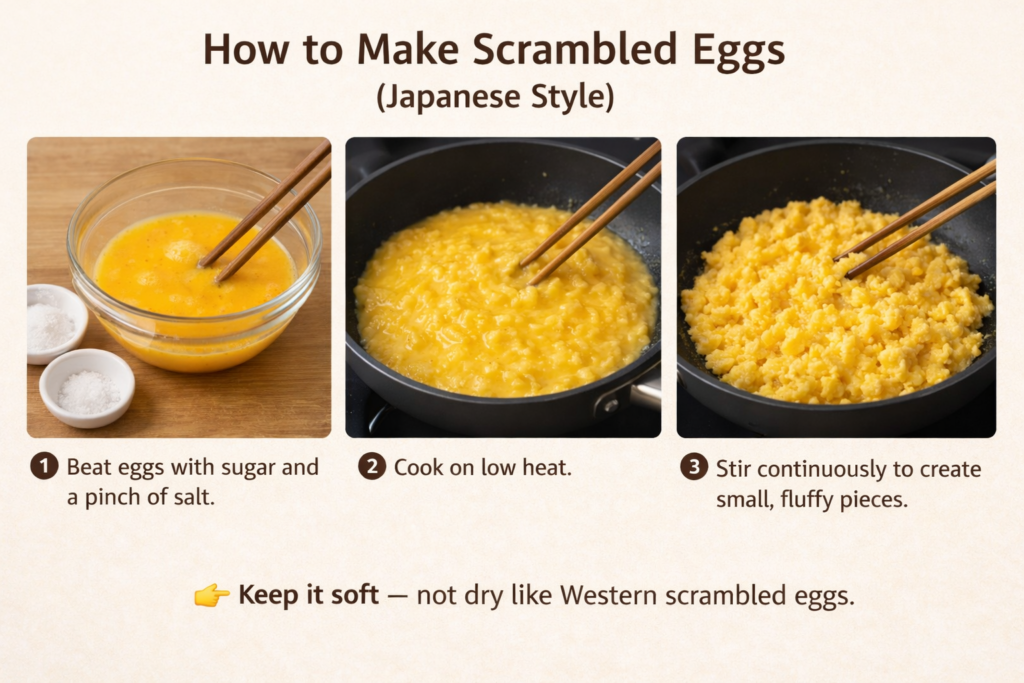
Scrambled Eggs
- 3 eggs
- 1 tablespoon sugar
- Pinch of salt
Green Vegetables
- Green beans or spinach
- Optional: soy sauce or bonito flakes
Prepare the Vegetables
- Boil or blanch green beans/spinach
- Drain well
- Optional: season lightly with soy sauce or mix with bonito flakes
Assemble the Bento
- Fill your container with warm rice
- Divide into three sections
- Add:
- chicken soboro
- scrambled eggs
- green vegetables
👉 Keep the sections clean for that classic Japanese look
How to Serve
- As a lunchbox (bento) 🍱
- Quick home meal
- Meal prep for busy days
Storage Tips
- Store in refrigerator
- Best consumed within 1–2 days
- Keep toppings separate if storing longer
Beginner Tips
- Use low heat for eggs to keep them soft
- Break chicken finely for authentic soboro texture
- Use fresh rice for best taste
- Don’t over-season — balance is key
Final Thoughts
This Three-Color Bento is one of the simplest yet most satisfying Japanese meals you can make. It’s perfect for everyday cooking and looks beautiful enough to impress.
Once you try it, you’ll see why it’s a staple in Japanese home cooking.